TFF Strategies
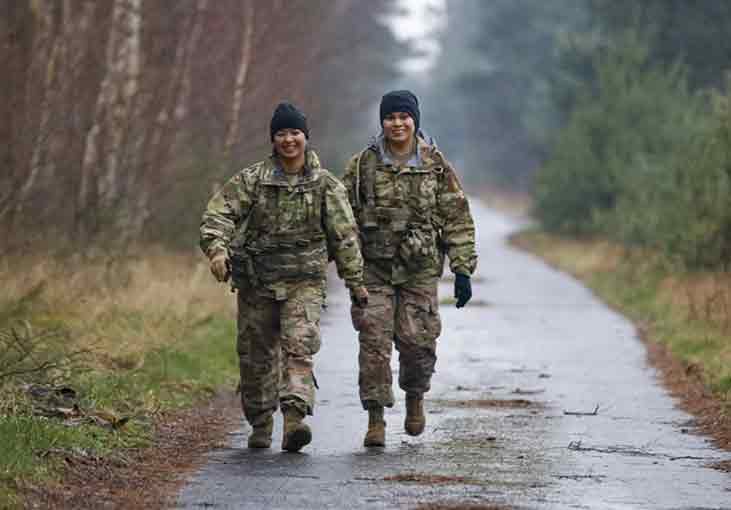
TFF strategies can help you strength your mind, body, spirit, and relationships. Use them to optimize your total performance in theater or in garrison.
VIEW RESOURCES
TFF Strategies
TFF strategies can help you strength your mind, body, spirit, and relationships. Use them to optimize your total performance in theater or in garrison.
VIEW RESOURCES
 Navigating Deployment
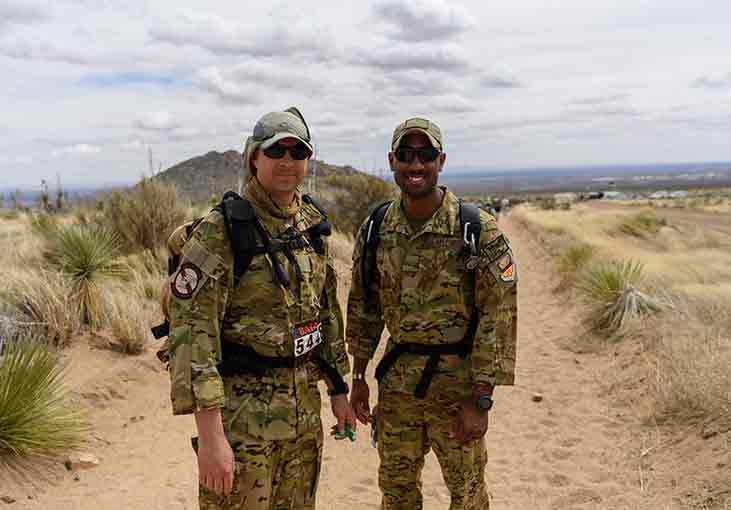
Deployment is a time of extra stress and adjustment. Plan ahead to optimize your performance and your relationships throughout your deployment cycle.
VIEW RESOURCES
Navigating Deployment
Deployment is a time of extra stress and adjustment. Plan ahead to optimize your performance and your relationships throughout your deployment cycle.
VIEW RESOURCES
 Pain Management
These resources can help you treat and manage pain and stay up to date with what DoD and the Veterans Health Administration are doing to improve pain treatment and management.
VIEW RESOURCES
Pain Management
These resources can help you treat and manage pain and stay up to date with what DoD and the Veterans Health Administration are doing to improve pain treatment and management.
VIEW RESOURCES
 Holistic Health and Fitness Resources
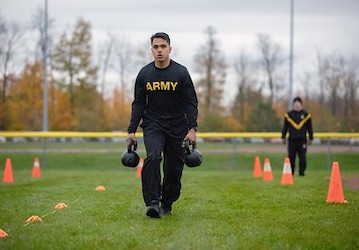
The Army’s Holistic Health and Fitness (H2F) System lays the foundation for total Army readiness through governance, program, equipment and facilities, personnel, and leader education focused initiatives.
VIEW RESOURCES
Holistic Health and Fitness Resources
The Army’s Holistic Health and Fitness (H2F) System lays the foundation for total Army readiness through governance, program, equipment and facilities, personnel, and leader education focused initiatives.
VIEW RESOURCES
 Space Force Holistic Health
In support of the U.S. Space Force’s Holistic Health Approach (HHA), Human Performance Resources by CHAMP (HPRC) has compiled a curated list of practical, evidence-based tools and resources to grow your knowledge and encourage meaningful behavior change.
VIEW RESOURCES
Space Force Holistic Health
In support of the U.S. Space Force’s Holistic Health Approach (HHA), Human Performance Resources by CHAMP (HPRC) has compiled a curated list of practical, evidence-based tools and resources to grow your knowledge and encourage meaningful behavior change.
VIEW RESOURCES
 USCG Rescue Toolbox
The Resilience Coordinator (RC) Toolbox is designed for certified USCG RCs who’ve completed the Resilience Coordinator and Unit Education (ResCUE) Course and successfully obtained their RC duty status.
VIEW RESOURCES
USCG Rescue Toolbox
The Resilience Coordinator (RC) Toolbox is designed for certified USCG RCs who’ve completed the Resilience Coordinator and Unit Education (ResCUE) Course and successfully obtained their RC duty status.
VIEW RESOURCES
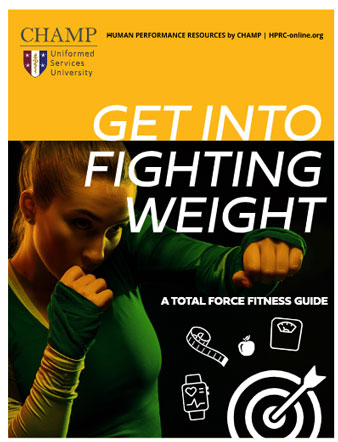 Introduction to HPRC's Get into Fighting Weight: A Total Force Fitness Guide
Healthy, sustainable weight loss isn’t just about diet and exercise or quick fixes. Find out how you can optimize various factors that affect your health and reach peak performance with the 5 challenges in this guide.
Get Into Fighting Weight
Introduction to HPRC's Get into Fighting Weight: A Total Force Fitness Guide
Healthy, sustainable weight loss isn’t just about diet and exercise or quick fixes. Find out how you can optimize various factors that affect your health and reach peak performance with the 5 challenges in this guide.
Get Into Fighting Weight
 #GOTMYSIX
CHAMP’s ongoing #GotMySix campaign shines a spotlight on how social support and gratitude can help maintain total fitness. Learn more about the benefits of social connection and gratitude, and how to bring the #GotMySix campaign to your base.
#GOTMYSIX
#GOTMYSIX
CHAMP’s ongoing #GotMySix campaign shines a spotlight on how social support and gratitude can help maintain total fitness. Learn more about the benefits of social connection and gratitude, and how to bring the #GotMySix campaign to your base.
#GOTMYSIX
10